Tag: writing

  • Learning to Be Alone in Uganda

    Learning to Be Alone in Uganda

    When my husband and I first got married — just over five years ago — he joined me in DC, where I had been living and working for six months. Because he’s a teacher by trade and because he moved in the the summer, it took a few months for him to find a job. So when I would get home from the office, he, an enthusiastic extrovert, having spent the whole day largely alone, was ready to talk. I, an intense introvert, having spent the whole day at the office, was ready to sit on the sofa in silence.

    My parents sometimes tell this story: At family holidays, when I was a little kid, they would often find me lying under the bed reading, mostly in an effort to get away from all the people.

    Some of my good friends tease me about my need for “introvert time” — about my desire to set aside space to be alone. I largely prefer solitary activities. I could easily spend a whole day by myself in my apartment.

    But I’ve rarely traveled alone. Only twice, in fact. The first time was a 4-day layover in Amsterdam on my return flight from Nairobi. The second was last weekend when I extended a work trip to Uganda by three days to allow myself a little time to see the country.

    I’d expected to connect with friends or friends-of-friends in Kampala, a place where a number of people I know have lived and worked, so I booked my flight without knowing what my exact plans would be. On Friday, when the work was wrapped up, I started asking around to see what people were up to, what I might plan to do for the next three days. But my colleagues who were in town had more work to do. The friends-of-friends I’d connected with had obligations over the weekend. I had to make my own plans alone.

    There are certain external discomforts, as a woman traveling solo in a new place. What are the risks? Are there places I shouldn’t go? But I felt a surprising and intense discomfort with being alone for the weekend in this new place. Not for fear of safety, but for fear of being unaccompanied.

    When you travel alone, your experience is your own responsibility. You have to push through language barriers on your own, no matter how much or little you know. You lose the comfortable barrier that keeps you from interacting with strangers — a barrier you have when you travel with more talkative, brave companions. You’re forced to do your own haggling for taxis or souvenirs. You are exposed as an outsider. The only way to regain the comfort of easyness is to retreat into yourself.

    I wonder what I might be like if I traveled alone more frequently — if I were forced to rely on myself, forced to confront myself. What experiences might I have? How much braver might I be?

    Question: Do you travel alone? What have you experienced? What have you learned? 
  • The Pilgrimage

    The Pilgrimage

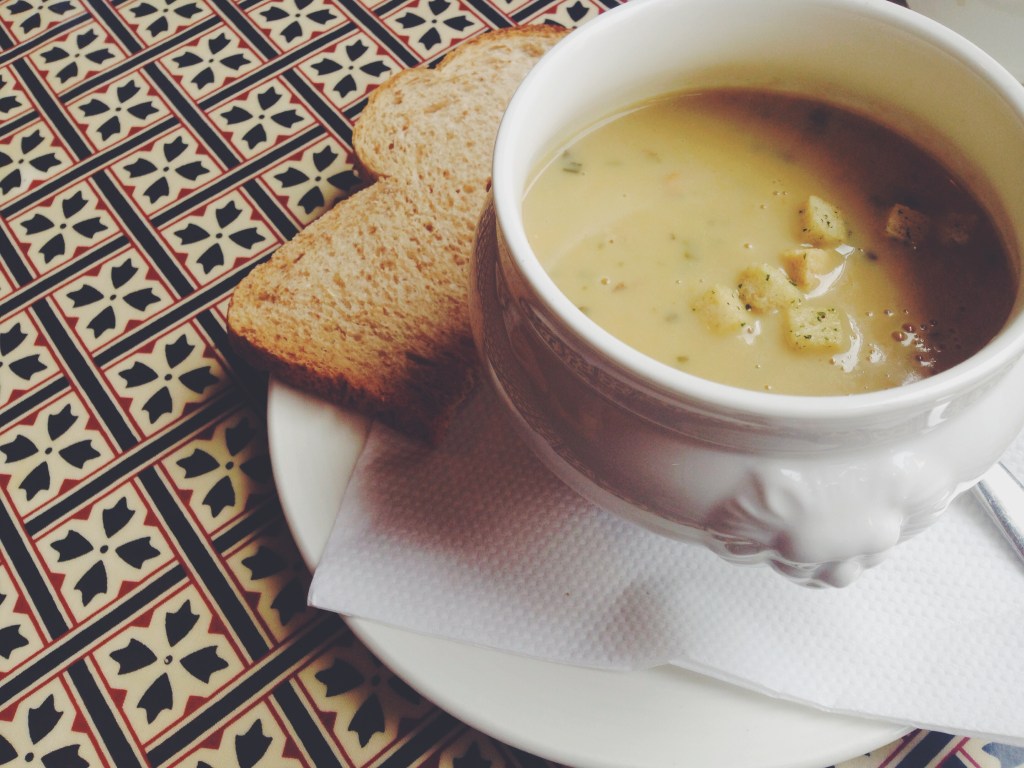
    “Maybe we could stop for a cup of soup?” my mom proposed.

    It had become our common coda for a ten day journey around the Netherlands, the country where both of my maternal grandparents—oma and opa—emigrated from after World War II. Each new place concluded with a stop at whichever small cafe had a chalkboard out front with the word soep, and my husband, parents, and I would cozy up to a small table and order bowls of mushroom, tomato, or pea soup. We’d reflect on where we’d just come from and pull out the guide book to chart out our next stop.

    I grew up in a Dutch American community on the southside of Chicago, but I didn’t realize how Dutch I was until I went to the Netherlands for the first time. I hadn’t realized how short the distance was between where my family came from and where they ended up—nor how little had had to change for me to be from this place rather than that one. But the way of life in the “old country,” as oma had called it, had been meticulously preserved in a new place, from the gardening habits to the last names to the food.

    My mother used to spend Saturdays during the winter in the warm kitchen of my childhood home making soup. Stock would simmer on the stovetop and, with the occasional stir, would fill the home with rich aromas and warmth. Over the course of the afternoon, she would add additional ingredients—potatoes, bacon, lentils, celery, cauliflower, carrots. And as the hours went by, the flavors would mingle, the familiar smells of ham and lentil stew, cream of cauliflower, or spicy chili dancing through the house, drawing the whole family to the kitchen.

    Once, after I became old enough to have my own kitchen, I asked my mother to write down her soup recipes so that I could fill my own home with those same aromas, with that warmth. “It’s very simple,” she said. “You just keep adding until it’s right.”

    We become who we are gradually, time adding experience to identity. We are an accumulation of memories and movement, of realizations and relationships. A preservation of the past in constant evolution. We walk through life becoming more and more ourselves.

    Looking back, the path seems clear. Grand voyages become souvenirs, the aromas and flavors of exquisite meals linger in recipes, and boisterous family gatherings full of fellowship and laughter are captured, however inadequately, in photographs. Still, these are tangible reminders, markers we’ve placed along the path to remind us of the way from which we came.

    Looking forward, the path is less clear. New journeys still to take shape, foreign recipes to try our hand at, family and friends we’d like to entertain. We entertain grandeur and opportunity, and the path, while unclear, is enticing. So with a certain resoluteness, each day we move forward, knowing we can go any direction we want to go, taking steps toward grandeur and opportunity, creating our path, becoming slowly the selves we want to be.

    windmill

  • New York City

    New York City

    One can’t paint New York as it is, but rather as it felt.

    ––Georgia O’Keefe

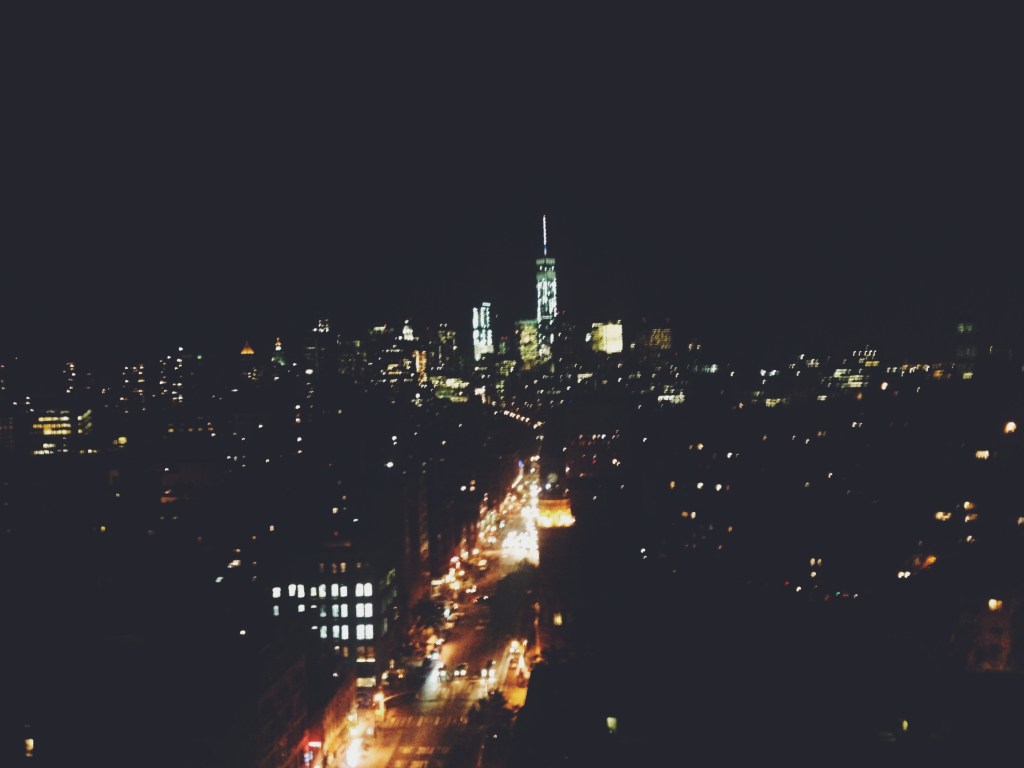
    I love New York the way a dog loves sticking its head out the window of a car. The rush of adrenaline that swallows you when you emerge from the Penn Station subway stop. It’s all-consuming, electrifying. There’s no telling what New York could make out of you.

    But what I love most about New York is my own smallness. The overlapping of life stories. The convergence of dreams.

    I’m laying on the couch of a friend’s Manhattan Valley apartment, the window open. Just around the corner is Amsterdam, and the cacophony of city life dances down the side street, up the side of this 5-story walk-up, and into this small living room. I smile as I consider my own insignificance. I know only a handful of people in this city of more than 8 million. My comings and goings, my dreams and aspirations, my plans for today, tomorrow…it all joins the chorus. One of many voices. New York reminds you that you play a small but significant role.

    When I got back to DC after a short weekend trip up to the Apple, the cab driver who picked me up from the train station to take me home asked me if I was going or coming. Was DC a visit or home? Home, I told him,from a weekend in New York. “That’s the way to do it,” he told me. “New York is too busy, too crowded and loud. It’s great, but you wouldn’t want to live there.” I smiled, nodded, said nothing and thought, I would.

    Written in 2011. Modified in 2014.

  • Lions in Nairobi

    Lions in Nairobi

    The civilized people have lost the aptitude of stillness, and must take lessons in silence from the wild before they are accepted by it. // Isak Dinesen, Out of Africa

    I was tired. The graduate school semester was nearing an end, but final papers were piling up. Work had ramped up in closing out the year, and I’d invested heavily in preparing for the work we’d be doing on this trip.

    Not to mention the real issues. We’d spent the better part of the week looking at issues of police abuse of power. We’d seen the bullet holes in the outer walls of Westgate Mall, situated in a busy part of the city that we just happened to drive past on our way somewhere else.

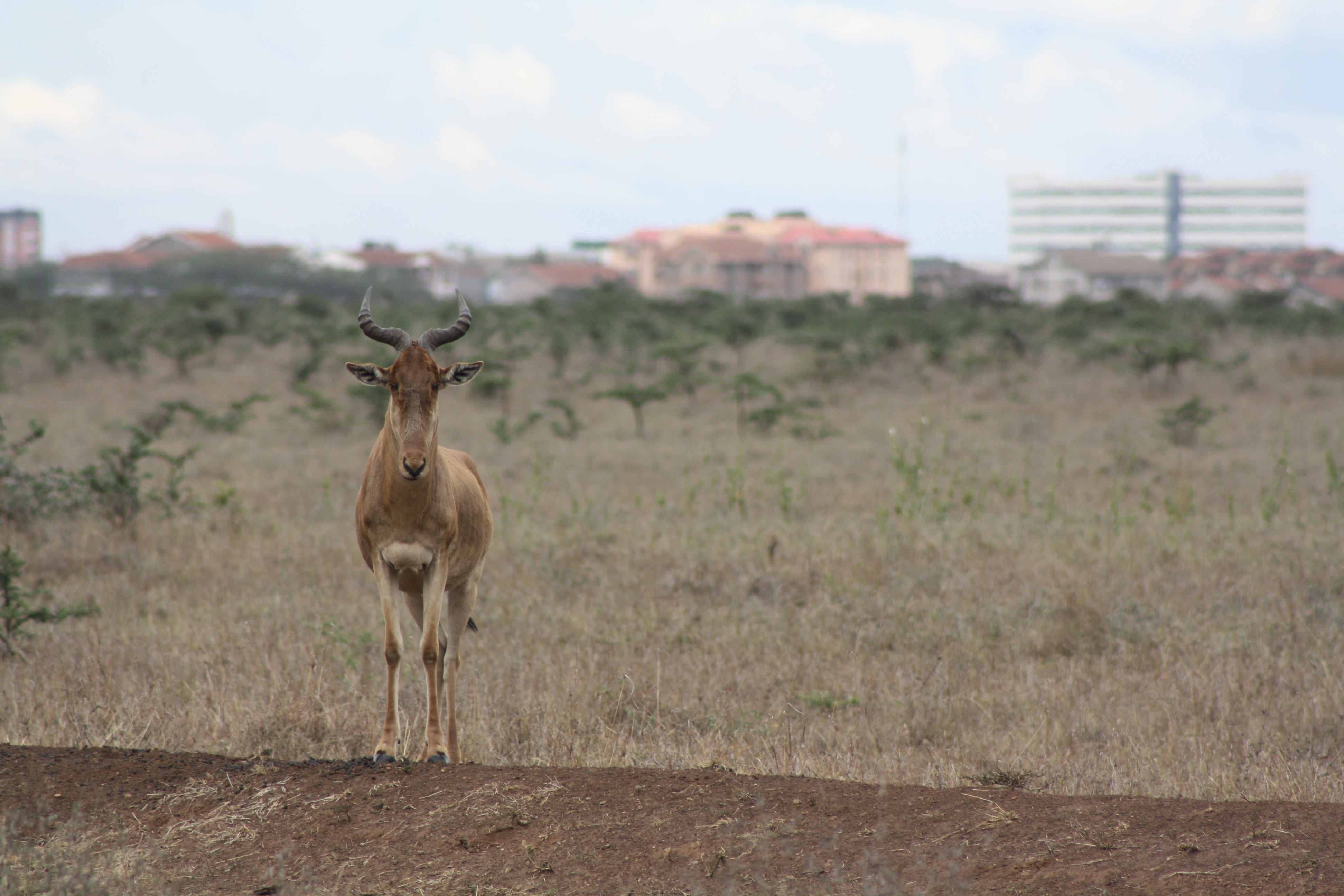
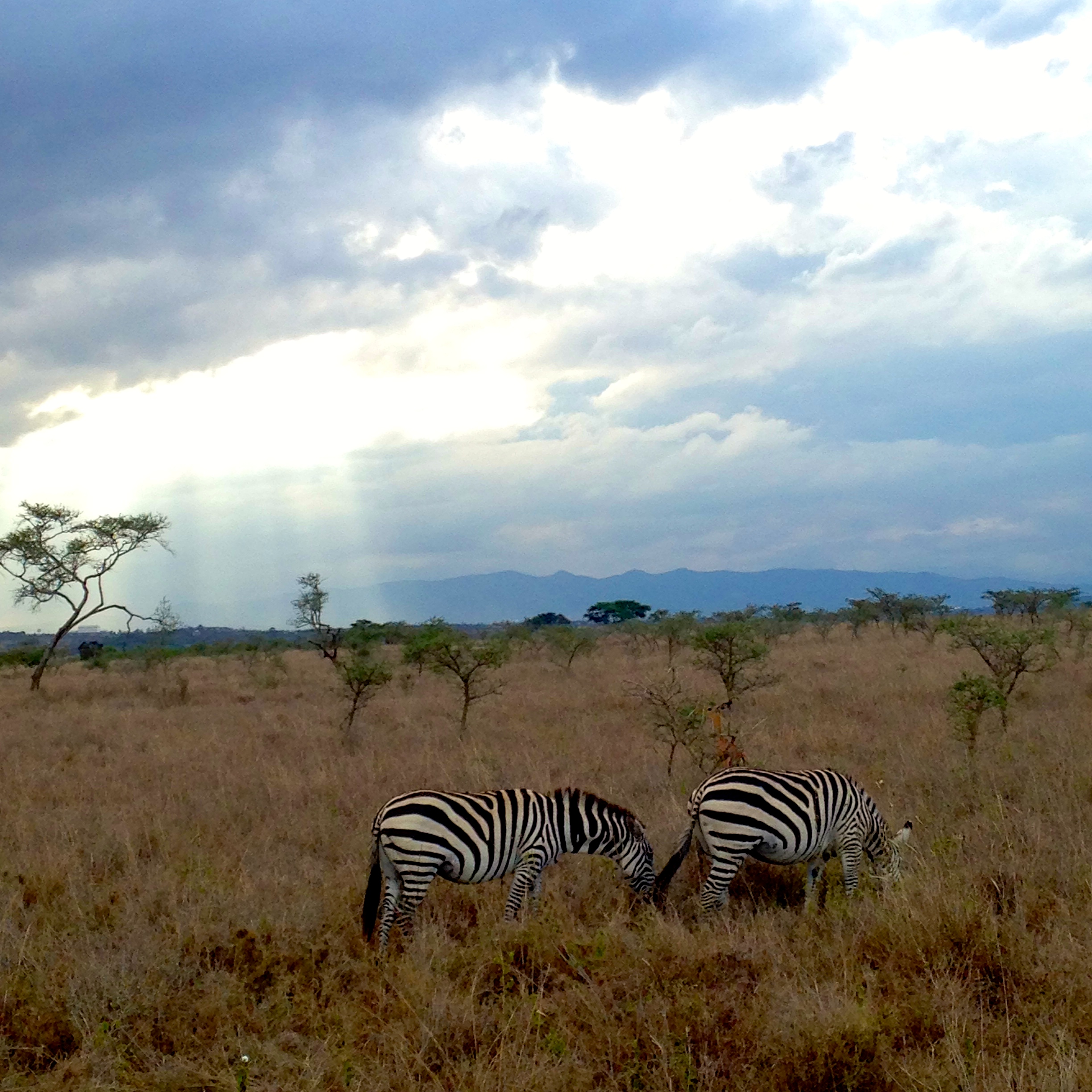
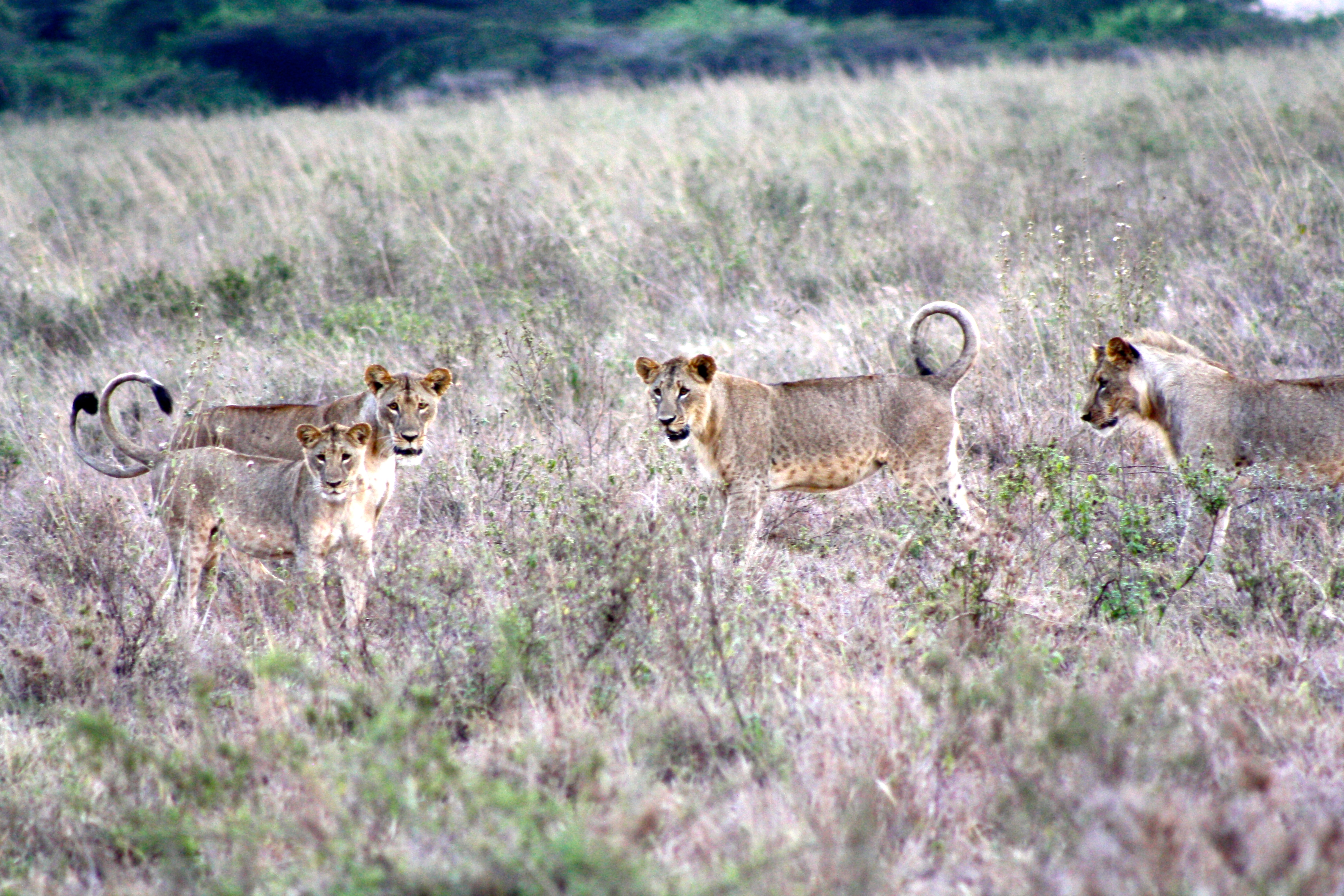
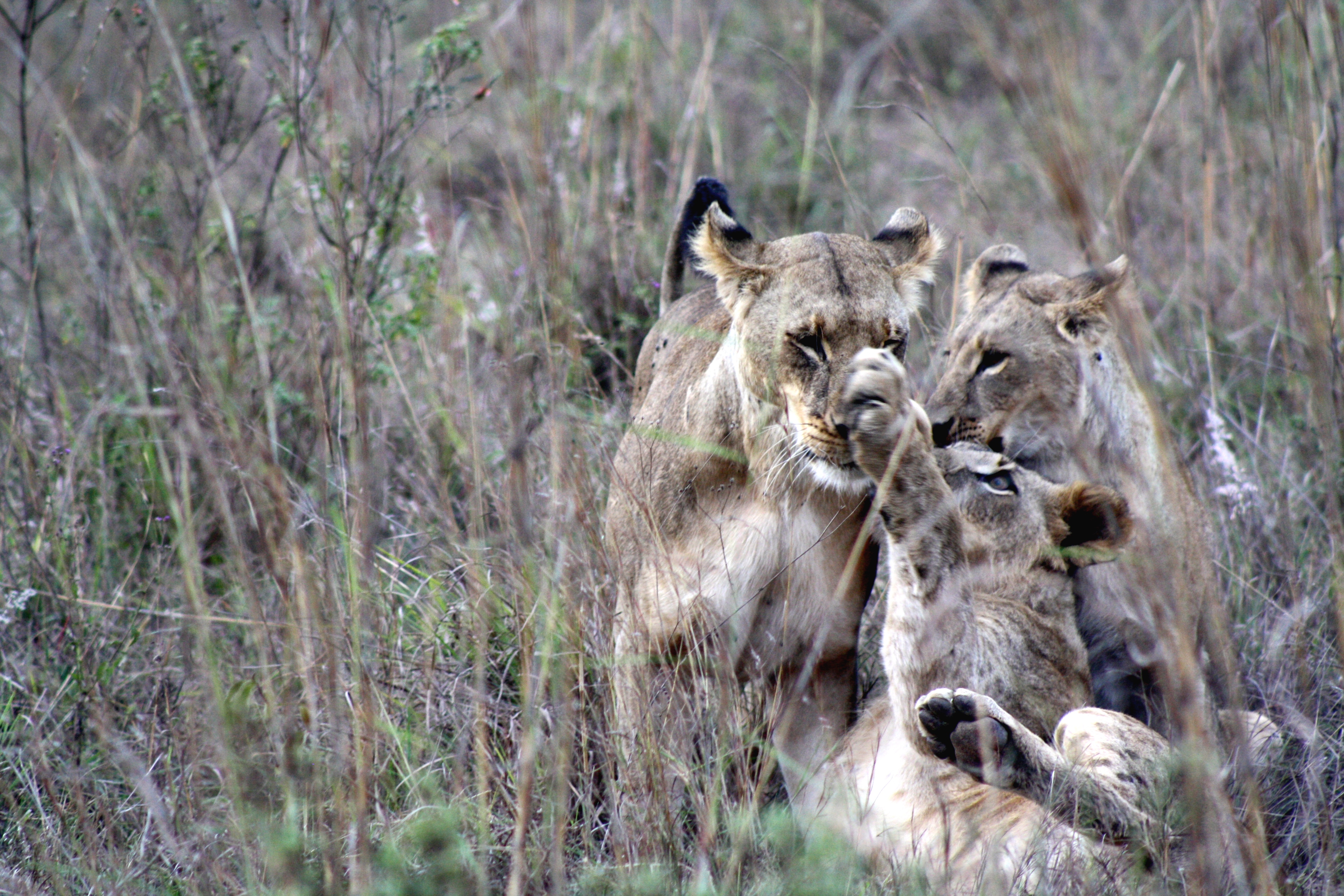
    When we decided to spend a few hours at Nairobi National Park — so close to the city that you can actually see the buildings on the horizon behind the animals — I didn’t realize was a reprieve it would be.

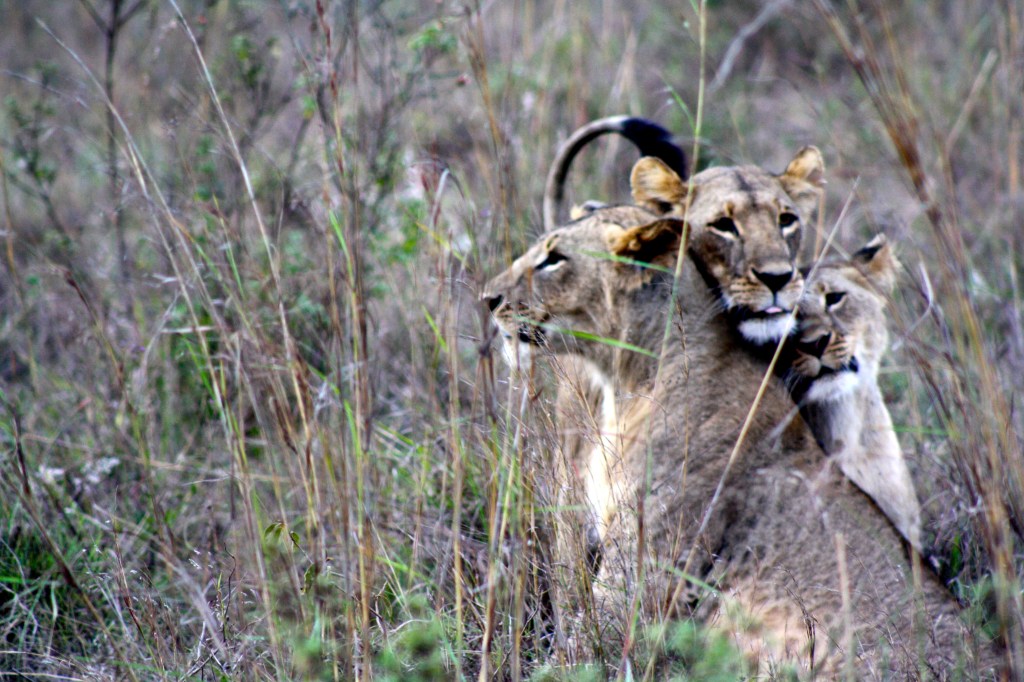
    There are moments that are hard to believe in. When I look back at these photos, there’s a way in which it’s hard for me to even understand them. That moment, in the golden hour, when two hunting lions turned down our path. A moment that forces you into awe and silence, that momentarily stills the fury of the world.

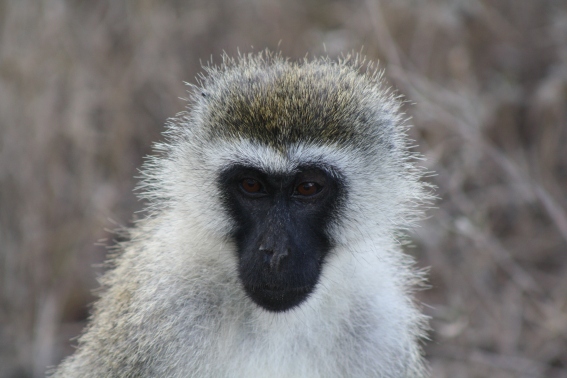
    IMG_0634 IMG_0711IMG_0076IMG_0702 IMG_0741IMG_0826 IMG_0813

  • Landing in Lima

    Landing in Lima

    It could be any place––the sun rises no differently here than in Accra, Grand Rapids, Washington. But here: every tree, a hint of the Amazon. Every inconsistency in the horizon, the Andes.

    Below, the early light barely sheds on––is it water or clouds?––and it seems the world is being born, recreated, below me, beginning only with light. Perhaps this is the case every morning: the entire world begun again from light, brand new.

    The sun begins to rise and fill the world with gold, as I am filled with the giddiness of a child on Christmas morning with presents to open. Today is Christmas morning; the world is to open.

Design a site like this with WordPress.com
Get started