Blog

  • Learning to Be Alone in Uganda

    Learning to Be Alone in Uganda

    When my husband and I first got married — just over five years ago — he joined me in DC, where I had been living and working for six months. Because he’s a teacher by trade and because he moved in the the summer, it took a few months for him to find a job. So when I would get home from the office, he, an enthusiastic extrovert, having spent the whole day largely alone, was ready to talk. I, an intense introvert, having spent the whole day at the office, was ready to sit on the sofa in silence.

    My parents sometimes tell this story: At family holidays, when I was a little kid, they would often find me lying under the bed reading, mostly in an effort to get away from all the people.

    Some of my good friends tease me about my need for “introvert time” — about my desire to set aside space to be alone. I largely prefer solitary activities. I could easily spend a whole day by myself in my apartment.

    But I’ve rarely traveled alone. Only twice, in fact. The first time was a 4-day layover in Amsterdam on my return flight from Nairobi. The second was last weekend when I extended a work trip to Uganda by three days to allow myself a little time to see the country.

    I’d expected to connect with friends or friends-of-friends in Kampala, a place where a number of people I know have lived and worked, so I booked my flight without knowing what my exact plans would be. On Friday, when the work was wrapped up, I started asking around to see what people were up to, what I might plan to do for the next three days. But my colleagues who were in town had more work to do. The friends-of-friends I’d connected with had obligations over the weekend. I had to make my own plans alone.

    There are certain external discomforts, as a woman traveling solo in a new place. What are the risks? Are there places I shouldn’t go? But I felt a surprising and intense discomfort with being alone for the weekend in this new place. Not for fear of safety, but for fear of being unaccompanied.

    When you travel alone, your experience is your own responsibility. You have to push through language barriers on your own, no matter how much or little you know. You lose the comfortable barrier that keeps you from interacting with strangers — a barrier you have when you travel with more talkative, brave companions. You’re forced to do your own haggling for taxis or souvenirs. You are exposed as an outsider. The only way to regain the comfort of easyness is to retreat into yourself.

    I wonder what I might be like if I traveled alone more frequently — if I were forced to rely on myself, forced to confront myself. What experiences might I have? How much braver might I be?

    Question: Do you travel alone? What have you experienced? What have you learned? 
  • The Pilgrimage

    The Pilgrimage

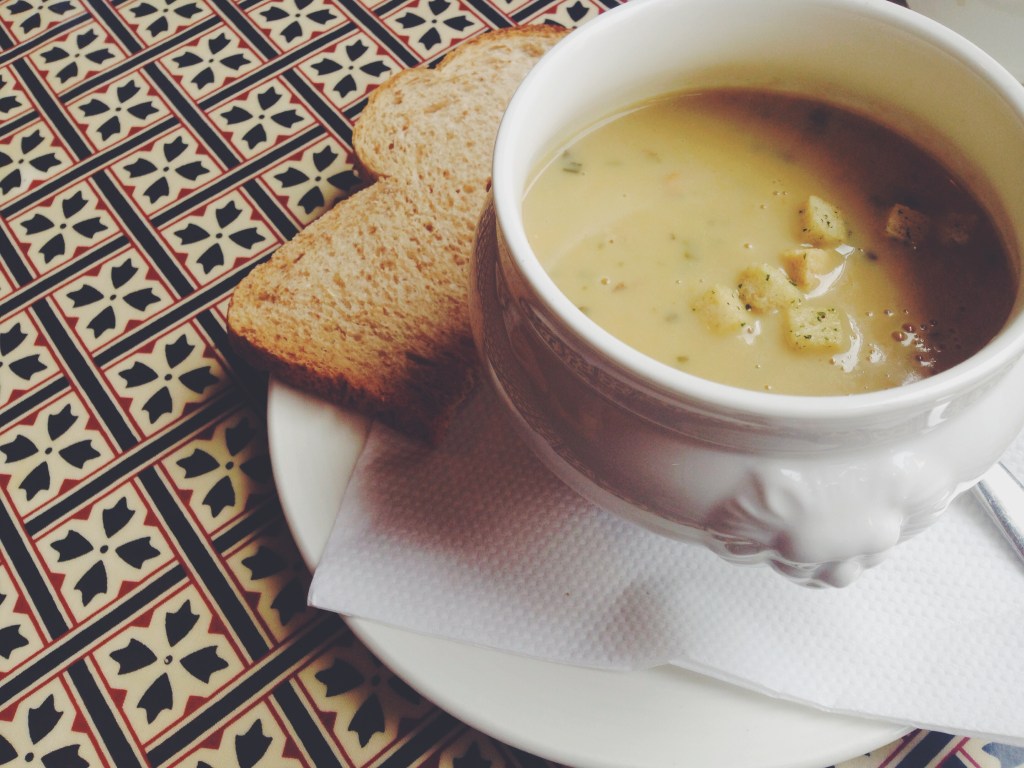
    “Maybe we could stop for a cup of soup?” my mom proposed.

    It had become our common coda for a ten day journey around the Netherlands, the country where both of my maternal grandparents—oma and opa—emigrated from after World War II. Each new place concluded with a stop at whichever small cafe had a chalkboard out front with the word soep, and my husband, parents, and I would cozy up to a small table and order bowls of mushroom, tomato, or pea soup. We’d reflect on where we’d just come from and pull out the guide book to chart out our next stop.

    I grew up in a Dutch American community on the southside of Chicago, but I didn’t realize how Dutch I was until I went to the Netherlands for the first time. I hadn’t realized how short the distance was between where my family came from and where they ended up—nor how little had had to change for me to be from this place rather than that one. But the way of life in the “old country,” as oma had called it, had been meticulously preserved in a new place, from the gardening habits to the last names to the food.

    My mother used to spend Saturdays during the winter in the warm kitchen of my childhood home making soup. Stock would simmer on the stovetop and, with the occasional stir, would fill the home with rich aromas and warmth. Over the course of the afternoon, she would add additional ingredients—potatoes, bacon, lentils, celery, cauliflower, carrots. And as the hours went by, the flavors would mingle, the familiar smells of ham and lentil stew, cream of cauliflower, or spicy chili dancing through the house, drawing the whole family to the kitchen.

    Once, after I became old enough to have my own kitchen, I asked my mother to write down her soup recipes so that I could fill my own home with those same aromas, with that warmth. “It’s very simple,” she said. “You just keep adding until it’s right.”

    We become who we are gradually, time adding experience to identity. We are an accumulation of memories and movement, of realizations and relationships. A preservation of the past in constant evolution. We walk through life becoming more and more ourselves.

    Looking back, the path seems clear. Grand voyages become souvenirs, the aromas and flavors of exquisite meals linger in recipes, and boisterous family gatherings full of fellowship and laughter are captured, however inadequately, in photographs. Still, these are tangible reminders, markers we’ve placed along the path to remind us of the way from which we came.

    Looking forward, the path is less clear. New journeys still to take shape, foreign recipes to try our hand at, family and friends we’d like to entertain. We entertain grandeur and opportunity, and the path, while unclear, is enticing. So with a certain resoluteness, each day we move forward, knowing we can go any direction we want to go, taking steps toward grandeur and opportunity, creating our path, becoming slowly the selves we want to be.

    windmill

  • New York City

    New York City

    One can’t paint New York as it is, but rather as it felt.

    ––Georgia O’Keefe

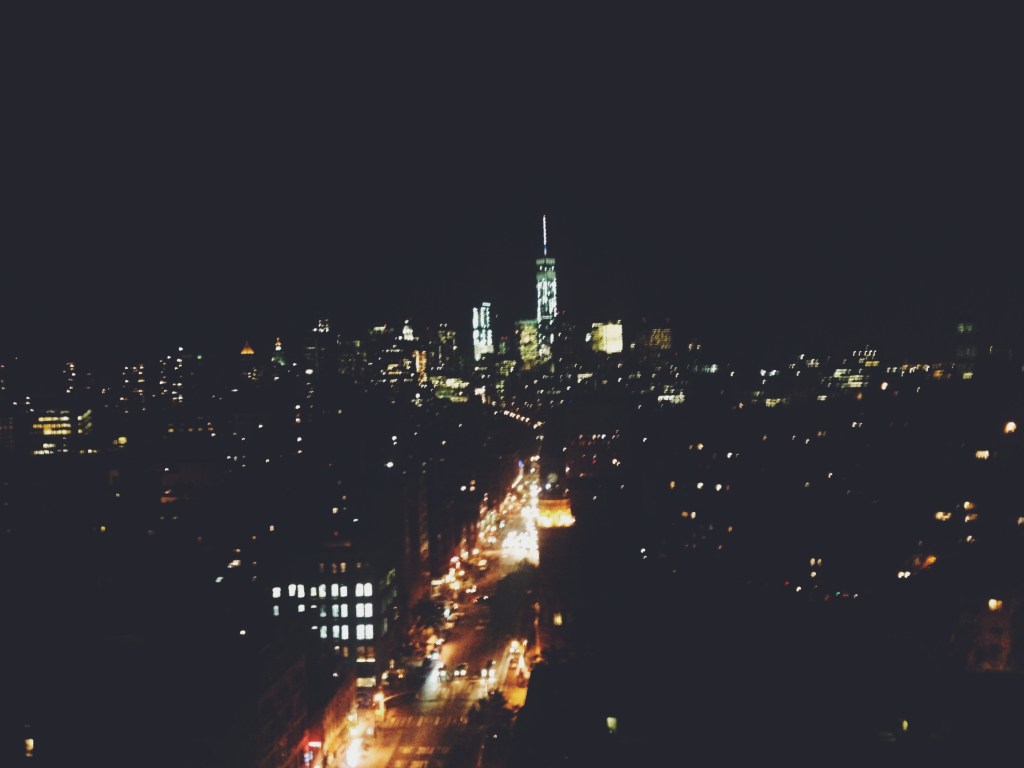
    I love New York the way a dog loves sticking its head out the window of a car. The rush of adrenaline that swallows you when you emerge from the Penn Station subway stop. It’s all-consuming, electrifying. There’s no telling what New York could make out of you.

    But what I love most about New York is my own smallness. The overlapping of life stories. The convergence of dreams.

    I’m laying on the couch of a friend’s Manhattan Valley apartment, the window open. Just around the corner is Amsterdam, and the cacophony of city life dances down the side street, up the side of this 5-story walk-up, and into this small living room. I smile as I consider my own insignificance. I know only a handful of people in this city of more than 8 million. My comings and goings, my dreams and aspirations, my plans for today, tomorrow…it all joins the chorus. One of many voices. New York reminds you that you play a small but significant role.

    When I got back to DC after a short weekend trip up to the Apple, the cab driver who picked me up from the train station to take me home asked me if I was going or coming. Was DC a visit or home? Home, I told him,from a weekend in New York. “That’s the way to do it,” he told me. “New York is too busy, too crowded and loud. It’s great, but you wouldn’t want to live there.” I smiled, nodded, said nothing and thought, I would.

    Written in 2011. Modified in 2014.

  • Lions in Nairobi

    Lions in Nairobi

    The civilized people have lost the aptitude of stillness, and must take lessons in silence from the wild before they are accepted by it. // Isak Dinesen, Out of Africa

    I was tired. The graduate school semester was nearing an end, but final papers were piling up. Work had ramped up in closing out the year, and I’d invested heavily in preparing for the work we’d be doing on this trip.

    Not to mention the real issues. We’d spent the better part of the week looking at issues of police abuse of power. We’d seen the bullet holes in the outer walls of Westgate Mall, situated in a busy part of the city that we just happened to drive past on our way somewhere else.

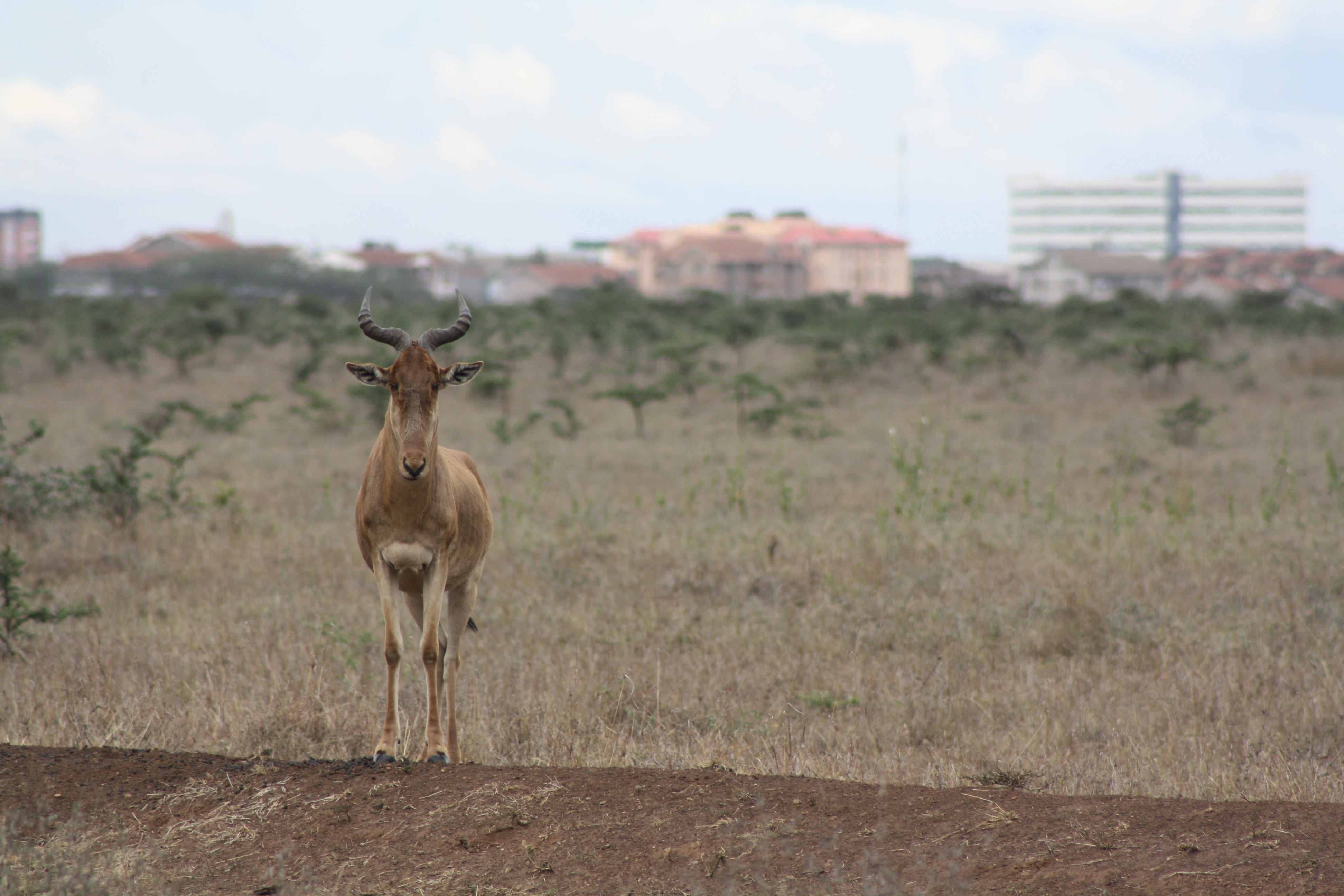
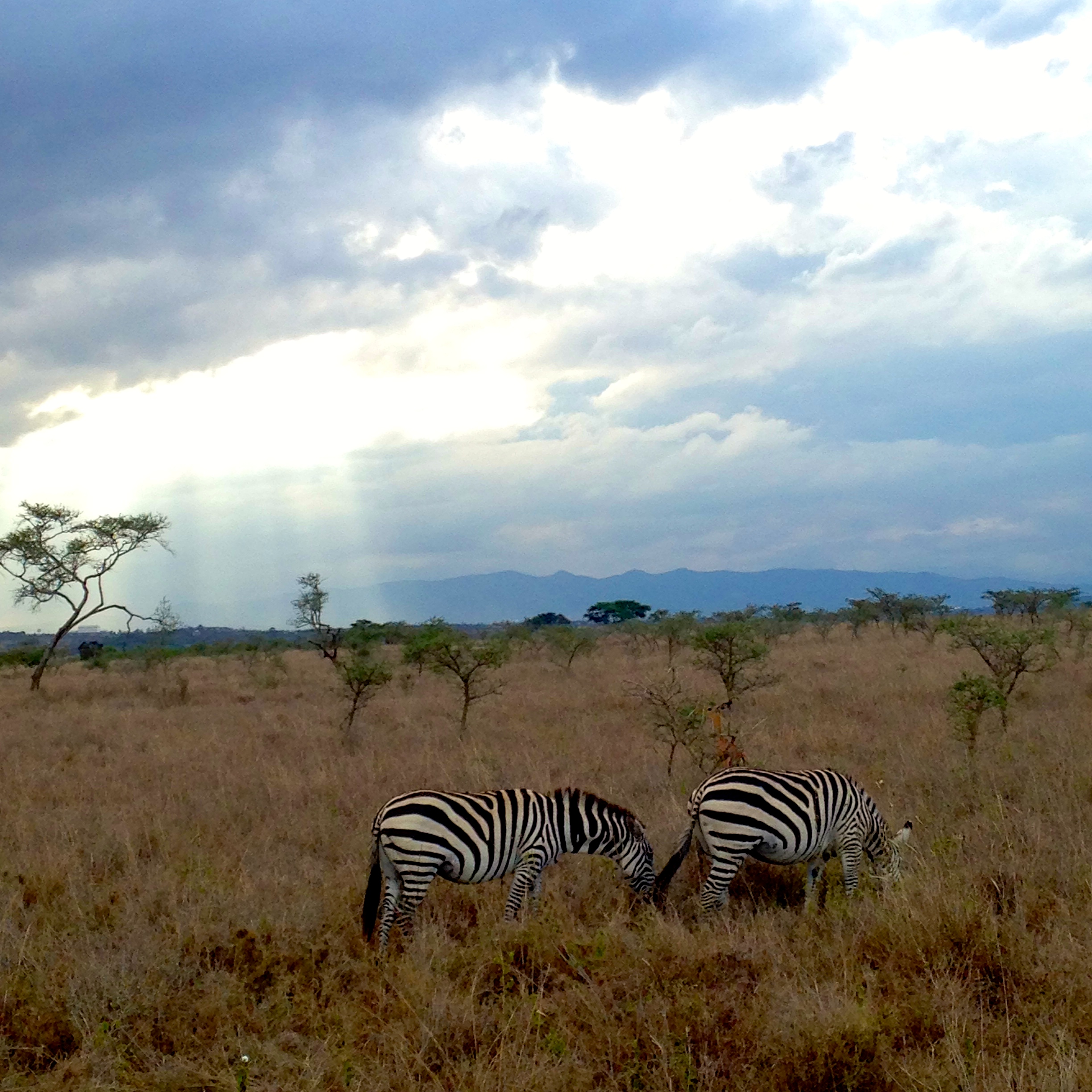
    When we decided to spend a few hours at Nairobi National Park — so close to the city that you can actually see the buildings on the horizon behind the animals — I didn’t realize was a reprieve it would be.

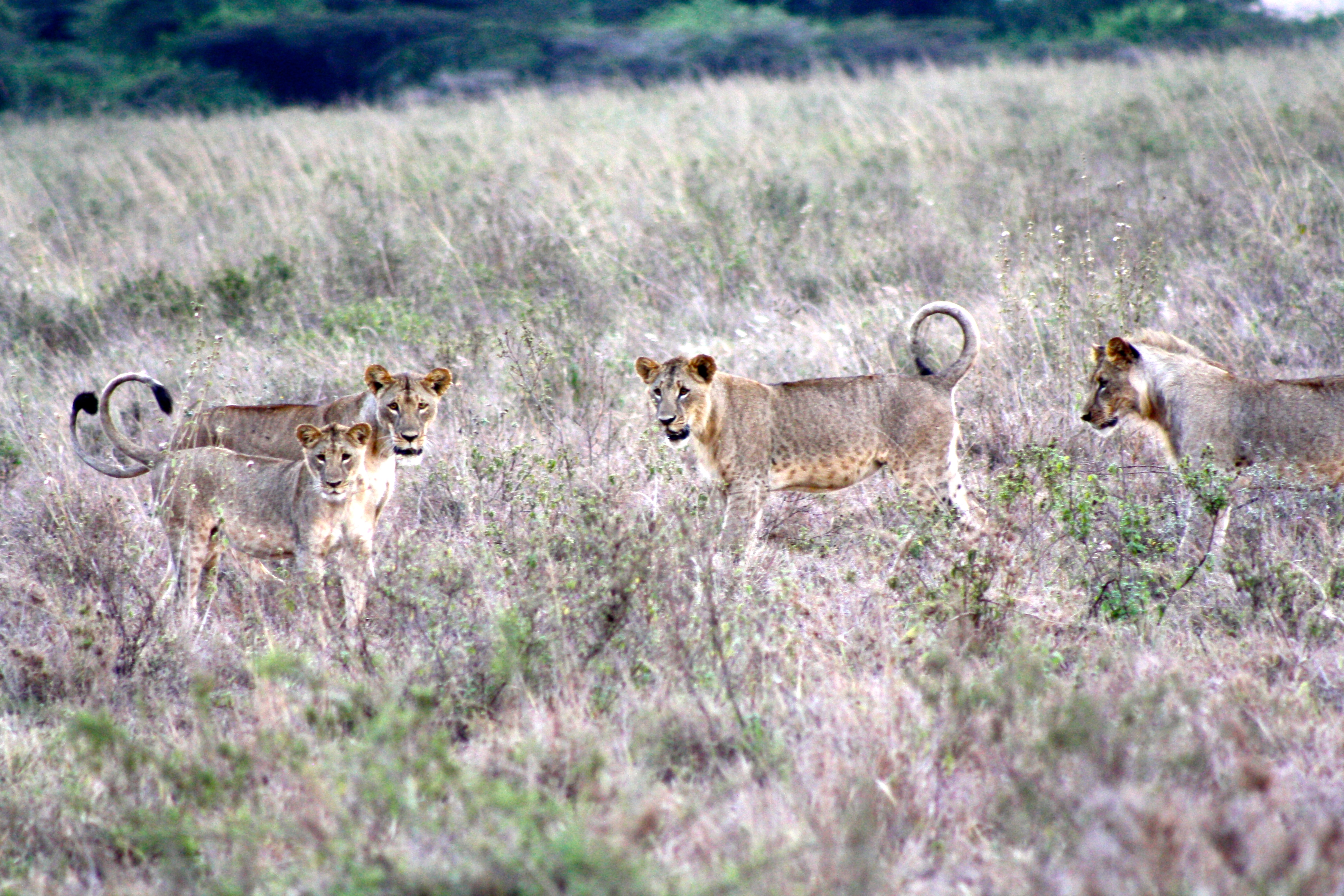
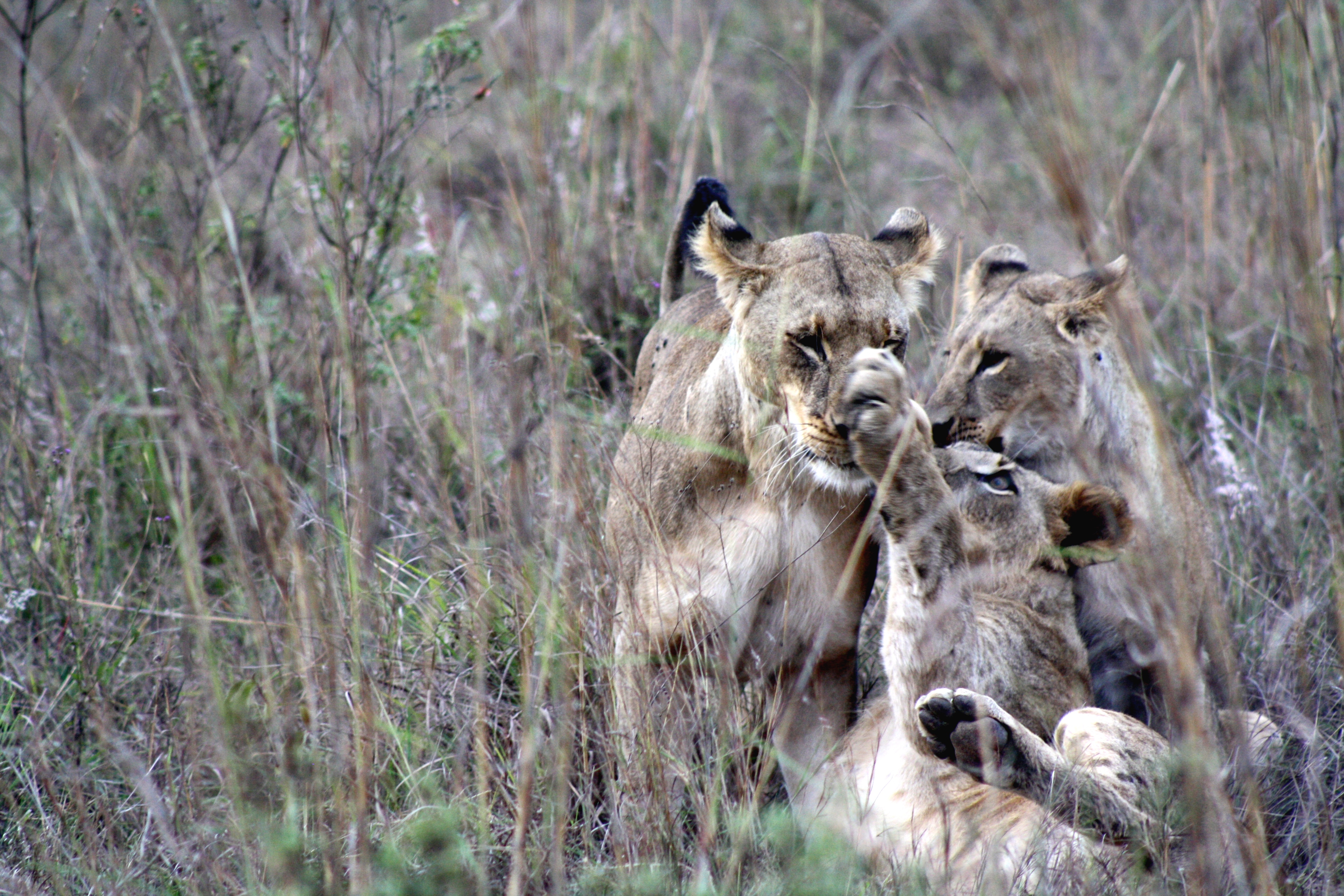
    There are moments that are hard to believe in. When I look back at these photos, there’s a way in which it’s hard for me to even understand them. That moment, in the golden hour, when two hunting lions turned down our path. A moment that forces you into awe and silence, that momentarily stills the fury of the world.

    IMG_0634 IMG_0711IMG_0076IMG_0702 IMG_0741IMG_0826 IMG_0813

  • First Impressions: Chile

    First Impressions: Chile

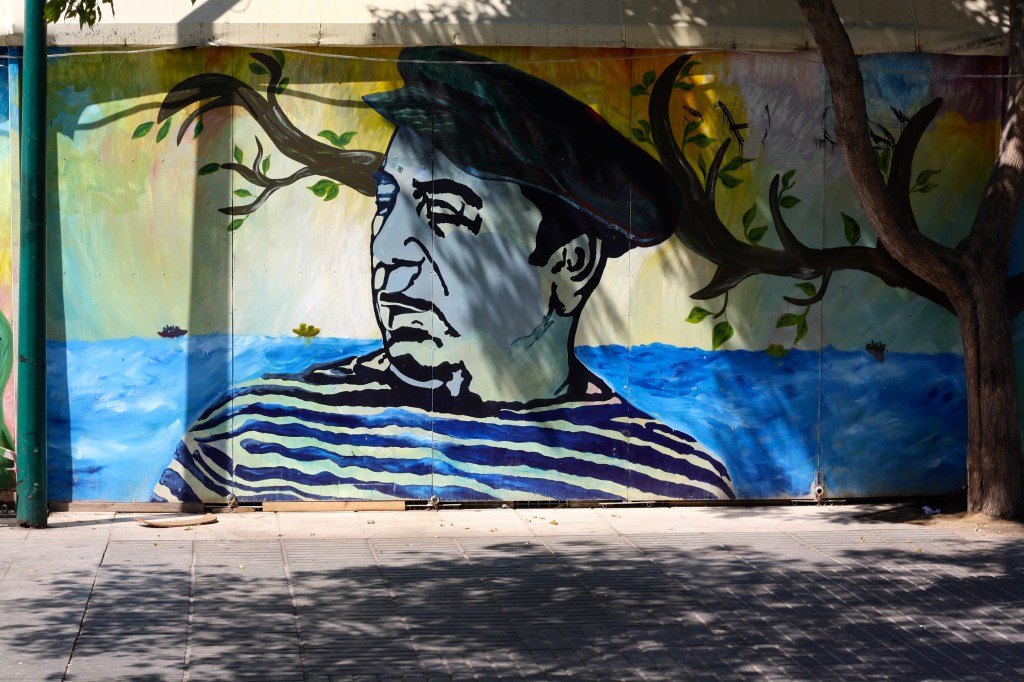
    I could fall in love with any city whose first impression is made in the morning. The wide-open streets like the open-mouthed yawn of a city waking up. Your senses are awakened to the newness of it. Crumbling building facades juxtaposed with shining modern glass feel more like a balance of progress and nostalgia than they would in broad daylight, a soft contented sigh of having it all, rather than losing one thing and not yet having gained another. Pristine waters of a river or a fountain reflecting soft morning light that masks the pollution of discarded trash, a behavior not yet overcome, and the industry of economic growth. Verdant parks nestle along or between city streets and breathe free from loiterers.

    You might see this in any city, anywhere in the world, as globalization blurs the lines between one place and the next, smoothing out the uncomfortable differences that define a place. But in the morning, the city is free from the choking flurry of humanness—ambition, despair, anxiety, complication, growth. In the morning, the city is itself something to know. A distinct being, free from the insufficient filter of communication, the discomfort of self-awareness one feels only when with other people. Taking the place of cultural difference that might cause confusion between two people, the city becomes itself in the morning, and you speak and listen unencumbered.

    I sit at the base of the fountain in front of the small Iglesia Nuestra Senora de Los Angeles, a few blocks from my hotel in Santiago, Chile. The morning is cool, but the sun is beginning to rise over the mountains forcing me into the shade. A woman leads an elderly lady across the street into the church to pray. A father pushes a baby in a stroller, their golden retriever walking faithfully alongside. A young couple on bikes passes, their spaniel off-leash runs ahead of them. A personal trainer leads a young woman in spandex through a series of exercises.

    I could be home. But I am here.

    IMG_0412 Processed with VSCOcam with f2 preset IMG_1052 Processed with VSCOcam with c1 preset IMG_0436

  • First Impressions: New Orleans

    First Impressions: New Orleans

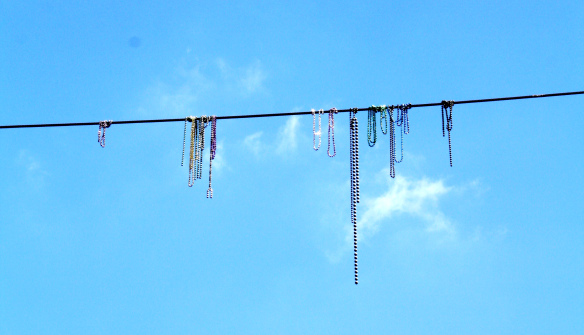
    New Orleans is a city externally defined by the influence of visitors who come under the impression that they are permitted to do pretty much whatever they want.

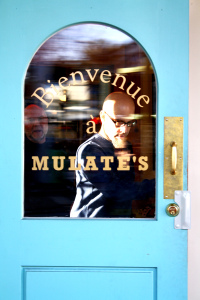
    New Orleans isn’t really a new place––my family passed through on a road trip when I was a little kid and, according to my mom, I hated it (“too racy”). I’m happy to say that age (and probably travel) have made me a little more open-minded, so when I had an afternoon in the Big Easy free after a work trip to Hattiesburg, Mississippi, I found the city immediately endearing. The sleepy Caribbean rhythm, French details, and music-filled streets –– “Nawlins” is a city full of character, something I miss intensely in much of DC.


    img_2566

    img_2581

    img_2547


    Originally written in February 2011. Read more of the First Impressions series.

  • Landing in Lima

    Landing in Lima

    It could be any place––the sun rises no differently here than in Accra, Grand Rapids, Washington. But here: every tree, a hint of the Amazon. Every inconsistency in the horizon, the Andes.

    Below, the early light barely sheds on––is it water or clouds?––and it seems the world is being born, recreated, below me, beginning only with light. Perhaps this is the case every morning: the entire world begun again from light, brand new.

    The sun begins to rise and fill the world with gold, as I am filled with the giddiness of a child on Christmas morning with presents to open. Today is Christmas morning; the world is to open.

  • 5 Days in Istanbul

    5 Days in Istanbul

    Last year, Jon, a few friends, and I went on a 5-day whirlwind trip to Istanbul. Thank you, crazy-cheap-must-have-been-glitch-plane-fares! Oh, and travel during the off-season when it’s cold and rainy. I DON’T CARE. Istanbul captured me, and I can’t wait to go back.
    After we got home, our friend Austin put together a recap with links of the places we went — such a great idea! We’ve passed it along to several people headed to this great city, and now I’m posting it here for all of you.

    Austin’s recap of Istanbul

    Day 1
    • Arrive in Istanbul at 4:45PM from the Turkish Airlines flight direct from Dulles. For an airline ranked “#1 in Europe,” we expected better, but it still did not disappoint with great food (you even get a menu when you board), free alcohol, hundreds of movies on your personal in-flight entertainment system.
    • Checked into our Airbnb apartment in Beyoglu near Istiklal Street (or Caddesi in Turkish). The host is nice and reliable. The photos look exactly like the actual apartment and the view of Old Town Istanbul is unbeatable.
    • Istiklal Cadessi: Tons of “western” shops, great Turkish delight stores, and Taksim Square
    Day 2
    • Bosphorous Boat Cruise: Buy your ticket at the port and buy some chai and “simit” (circular bread with sesame seed) and, if you are up for it, freshly squeezed pomegranate juice. The boat will stop in a village on the Asia side. Be sure to find one of the many fish shops for a great lunch!
    • Taste of the Spice Bazaar & Grand Bazaar
    • Dinner at Darüzziyafe Restaurant in Suleymaniye Mosque (it’s in the old soup kitchen)
    • Hookah in Beyoglu. Make sure they do not scam you by giving each person a hookah. One hookah was more than enough for the 5 of us.
    Day 3
    • Best Turkish Coffee Place just off of Istiklal Cadessi.
    • Cemberlitas Hamami. This is one of the cheapest, yet historical bathhouses we found in the Old Town. It is definitely a cultural experience that everyone should experience once.
    • Explore the Old City, Blue Mosque and Aya Sophia.
    • Hookah in Beyoglu
    Day 4
    • Spice Bazaar: The best Turkish delight and the best service is at Topkapi near the front entrance of the bazaar. They are not pushy at all and have great saffron as well.
    • Best lunch spot in Istanbul near the Grand Bazaar.
    • Grand Bazaar: The best Turkish towel place is at this unassuming shop, run by Dr Suleyman Ertas. He is so nice and will give you good deals. He and his son made the costumes for top Hollywood hits like 300, The Hobbit, and others. So cool!
    • One of the best carpet shops in the city is Osman’s Carpet Shop. It gets great reviews by all the guide books and the carpets are beautiful.
    • Nevizade Sokak. This is a street off of Istiklal with great seafood and night life.

    Day 5

    • The best breakfast you’ll ever have at Van Kahvalti. This is a MUST!
    • Make sure you spend some time exploring the neighborhoods and streets east of Istiklal. You’ll find cool coffee shops, antique shops, and awesome architecture.
    • We took the cable car up to Pierre Loti Cafe to see the view of the city. I do NOT recommend doing this if you are staying an apartment with a great view of the city. It is far from the Old Town and just not worth it.
    • Whirling Dervishes at Galata Lodge.
    • We found the best hookah place called Nargile-Tophane for our last night in the city. There are tons of great hookah places all in the same a.

    Note: Check out this site for great food recommendations and Rick Steve’s guide to Istanbul for other great things to do in the city.

  • First Impressions: India

    First Impressions: India

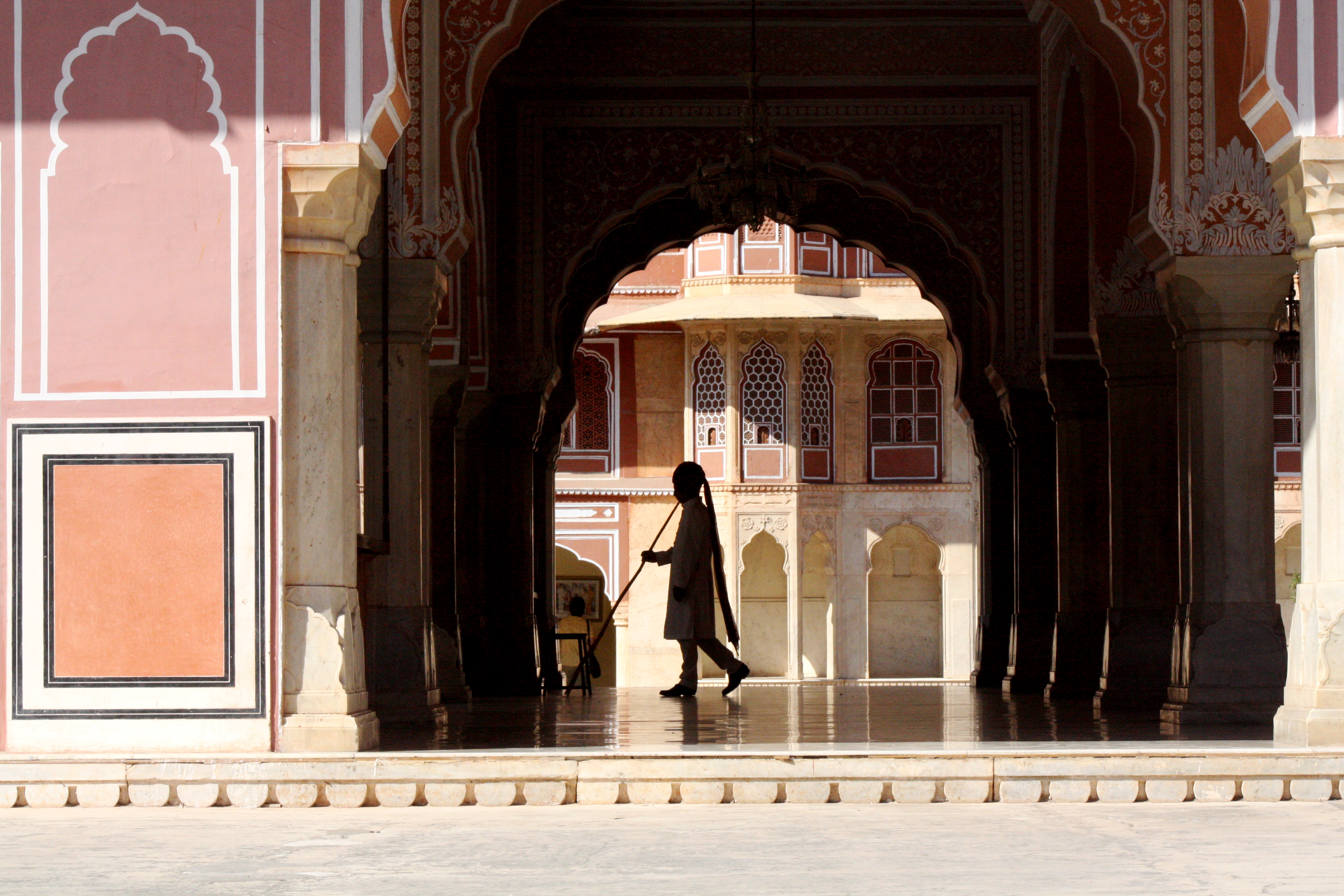
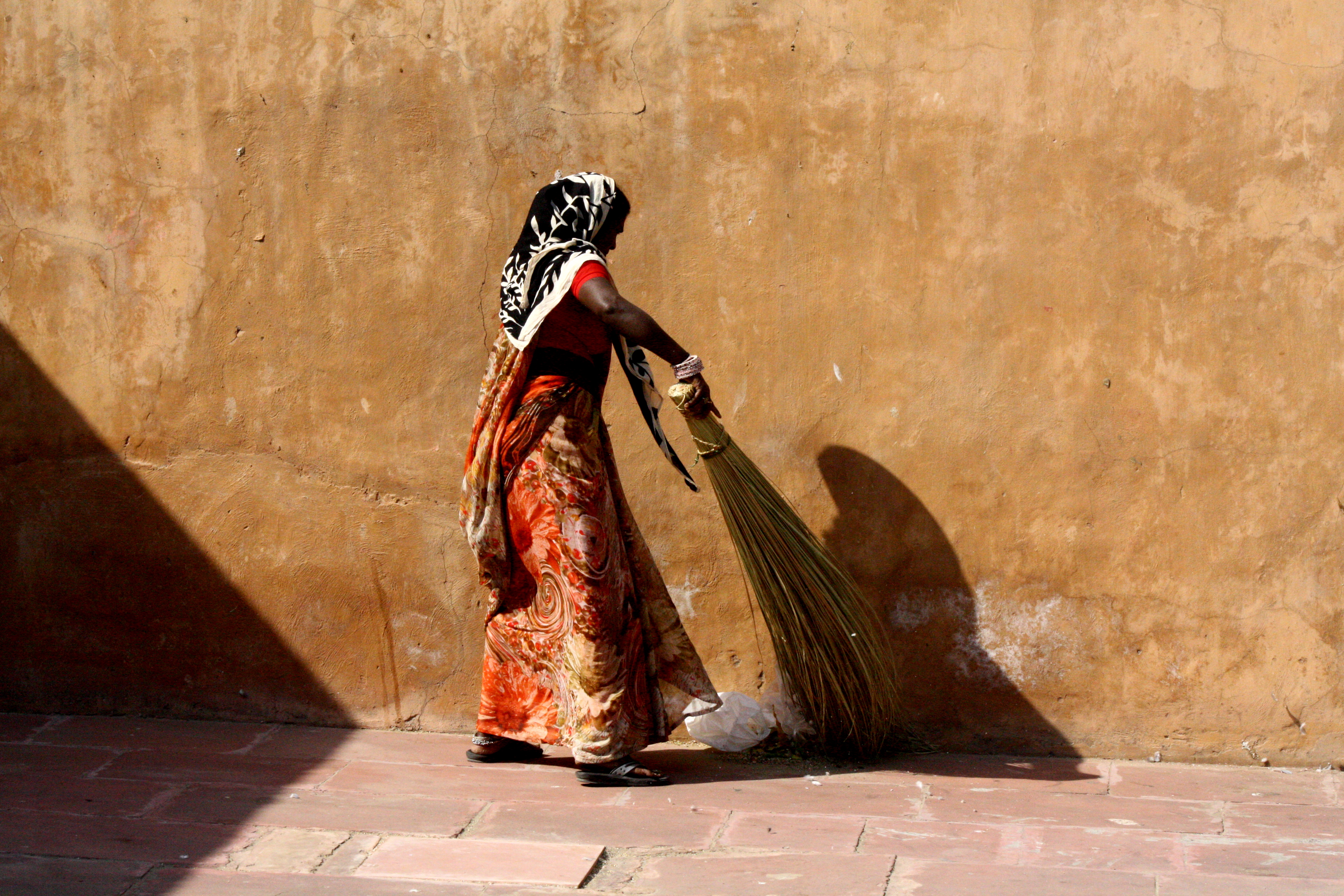
    India is an experience in near-collision. On the streets of New York City, you brace yourself for the shoulder-check of a hurried stranger, recognizing that New York just requires a hardened version of yourself to walk the streets. In India, rather, it feels as if there just isn’t enough space for everything. You share the road with rickshaw wallahs, taxis, bicyclists, merchant carts piled high with fruit or carrying a steaming gas-powered stovetop, mangy stray dogs, sacred cows, goats climbing over garbage piles…not to mention 1.2 billion people and counting.

    You clutch the strap of your bag more tightly not for fear of danger but in the way you would clutch the safety bar at the peak of a rollercoaster when one last imploring sign reminds you: Hold on.

    You squeeze your eyes closed and wait for the collision––even so, India assaults you. Smells pleasant and rank, foreign and familiar. Cardamon, cinnamon, steamy chai tea, a pleasant potpourri of spices rising from bubbling pots––all jostle for position against the inevitable smells that accompany allowing cows the right of way on city streets. Your ears too fill with the rhythm of life here, sometimes cacophonous and other times a sweet symphony.

    This is India: an experience in duality––modernity and tradition, wealth and poverty––where all ways of life, all everyday experiences, are played out unashamedly in public. In contrast to a culture that feels, at times, overly safe or sterile, India overwhelms. So you do all you can think to do: clutch tightly the strap of your bag and jump in.

    India - man in archway


    India - woman sweeping

    Originally written in November 2011. Read more of the First Impressions series. A subsequent version of this essay appeared in the Summer 2015 print issue of Darling Magazine.

Design a site like this with WordPress.com
Get started